Cort G300 Pro Review: Premium Specs Without the Premium Price?
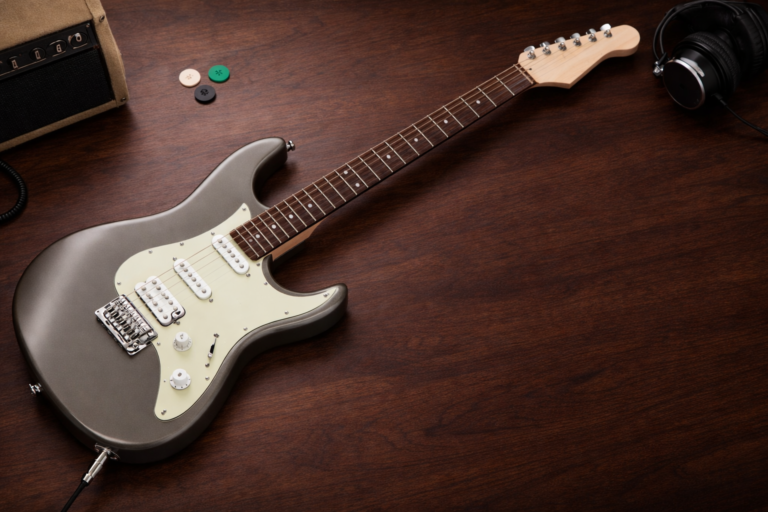
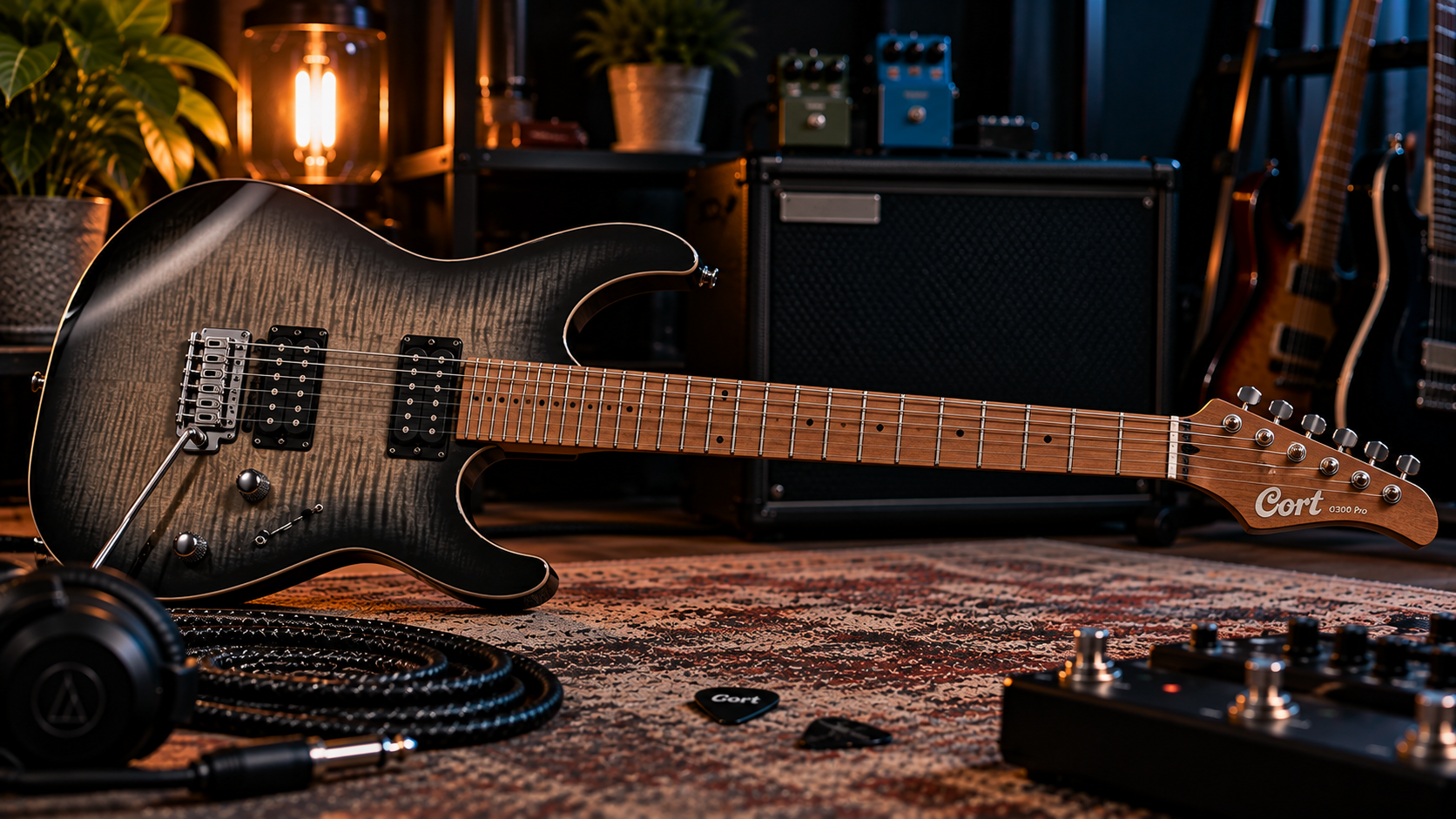
The Cort G300 Pro reads like a specification-sheet challenge to much more expensive superstrats: roasted maple neck and fretboard, compound radius, 24 stainless-steel frets, locking tuners, a recessed two-point tremolo and a factory Seymour Duncan JB/Jazz pickup set.
I bought and played the G300 Pro because those specifications looked unusually complete for the price. After using it for home practice, high-gain rhythm work, lead playing and amp-sim recording, my view is more specific than “great value.” The guitar gets the fundamentals right—especially the neck, fretwork and hardware—but its modern, polished character will not suit everyone. This Cort G300 Pro review explains whether those premium specifications translate into a genuinely better playing experience—and where the lower price still shows.
Pros and Cons
Pros
- The roasted maple neck feels stable, fast and substantial.
- Stainless-steel fretwork is smooth and should age well.
- The JB/Jazz set covers clean, crunch and high gain without an immediate upgrade.
- The tremolo and locking tuners feel appropriate for the rest of the guitar.
- Upper-fret access, tuning stability and ergonomics encourage longer practice.
- Its neutral appearance works across more styles than a heavily metal-coded guitar.
Cons
- The modern precision can feel less distinctive than a guitar with a strong vintage personality.
- Split positions are useful but do not replace real single coils.
- The JB can become bright through already aggressive amps or IRs.
- Cort’s resale value and brand recognition may trail Fender, Ibanez or Charvel.
- A floating tremolo is less convenient for frequent tuning changes than a hardtail.
Specs & Feature Overview
- Construction: American basswood body, 6 mm maple top, bolt-on roasted maple neck
- Scale and radius: 25.5-inch scale, 12–15.75-inch compound radius
- Frets: 24 stainless-steel frets
- Pickups: Seymour Duncan SH-2N Jazz neck and TB-4 JB bridge
- Hardware: Cort locking tuners, Graph Tech TUSQ XL nut, CFA-III recessed tremolo
- Best for: Rock, metal, modern lead playing, recording and players who need one versatile guitar
Build & Design
The specifications in this review are checked against Cort’s official G300 Pro product page, including the 24 stainless-steel frets, 12–15.75-inch compound radius, SH-2N/TB-4 pickup set and CFA-III tremolo.
The first thing that separated my G300 Pro from cheaper guitars was not the flame or the brand-name pickups. It was how coherent the instrument felt. The neck joint, fret ends, nut, bridge and controls all felt like parts of the same price tier. There was no obvious component telling me where the manufacturer had saved all the money.
The basswood body keeps the guitar manageable, while the maple top adds visual depth without making it excessively heavy. Balance is good both seated and standing. The sculpted heel makes the upper register accessible, and the body contours are comfortable during longer practice sessions.
Neck, Frets & Playability
The roasted maple neck and fretboard are the part I notice every time I pick up the guitar. The satin feel is smooth without feeling unfinished, and the neck has enough substance to support the hand. It is modern and quick, but it is not an ultra-flat plank designed only for shredding.
The 12–15.75-inch compound radius feels natural for chords lower down and less restrictive for bends higher up. The 25.5-inch scale gives 10–46 strings a firm, defined response; our string gauge guide explains how 9s or heavier sets would change that feel.
Stainless-steel frets and upper-fret access
Stainless-steel frets are not automatically good; poor fretwork in harder material is still poor fretwork. The benefit here is that the leveling and finishing are already solid. Bends feel smooth, vibrato does not scrape across the crowns and the frets should resist normal wear far longer than nickel-silver wire.
The 24-fret layout and heel carve make high positions genuinely usable. I still notice the usual reduction in space above the 17th fret, especially on the lower strings, but the guitar itself is not creating unnecessary resistance. Clean technique remains the larger limitation.
My preferred setup is low enough for fast playing without chasing an unrealistically flat neck. If buzz appears after a seasonal change, I check relief before randomly lifting the saddles. The process in our guitar neck relief guide and action gauge guide is safer than adjusting by guesswork.
Pickups & Switching
The SH-2N Jazz neck and TB-4 JB bridge are established pickups rather than cost-cut versions made for this model. That matters because the G300 Pro does not arrive with an obvious electronics upgrade already waiting in your shopping cart.
JB bridge under gain
The JB has strong upper mids, enough output to push an amp and more openness than many modern ceramic high-output pickups. Through a high-gain model, it keeps power chords clear and gives lead notes a vocal midrange. It can sound sharp if the amp already has aggressive presence, so I usually control the top end at the amp or cabinet rather than adding more gain.
For classic metal, hard rock and modern rhythm playing, it is flexible rather than perfectly specialized. A pickup such as an X2N or active metal set would hit harder, but it would also narrow the guitar’s range. The JB suits the G300 Pro’s “one serious guitar” identity.
Jazz neck for clean and lead tones
The Jazz neck is clearer than its name suggests. Clean chords remain separated, and under gain it avoids the thick, indistinct low end that can make neck-humbucker leads disappear. It is especially useful for smoother solos and sustained melodic parts.
Five-way switching
The five-way selector expands the normal bridge/both/neck HH layout with split combinations. These sounds add cleaner, thinner options and make the guitar more useful for funkier rhythm parts or layered recordings.
Tremolo & Tuning Stability
Cort’s recessed CFA-III bridge uses a steel baseplate, machined steel block and stainless saddles. In practice it feels more substantial than the generic two-point bridges fitted to many mid-priced guitars. The push-in arm is convenient, and the recess allows upward as well as downward movement.
My G300 Pro holds tuning well with normal bends and moderate tremolo use. The locking tuners make string changes easier, but they are not what “locks” tuning during tremolo movement. Nut friction, string installation, spring balance and setup remain critical. Heavy dive-bomb use can still pull the guitar away from pitch because this is not a Floyd Rose.
Sound: Clean, Crunch and High Gain
Clean: The neck pickup and split combinations are articulate and polished. The guitar’s natural response is bright and immediate rather than warm and vintage-soft.
Crunch: This may be its broadest area. The JB responds well to guitar-volume changes, and both pickups retain enough note separation for complex chords. Our overdrive pedal guide shows how a low-drive boost can tighten the bridge pickup without smothering its dynamics.
High gain: The HH layout, stable hardware and clear attack make the guitar easy to record. Noise is controlled, palm-muted notes remain distinct and the JB cuts through dense presets. If the sound becomes muddy, the problem is often excessive gain or low end; the starting points in our guitar EQ cheat sheet are more useful than replacing pickups immediately.
Recording and Home Rig
The guitar also exposes poor high-gain settings. Its bridge pickup is already present and focused, so adding too much treble, presence and distortion quickly becomes tiring. Through headphones, cabinet choice matters as much as the amp model. Our home guitar tone troubleshooting guide covers the room, monitoring and gain problems often blamed on the instrument.
Who the Cort G300 Pro Suits Best
This guitar makes most sense for a player who wants modern performance without committing to a narrowly metal-looking instrument. The body is familiar, the controls are simple and the HH layout is flexible enough for clean, rock and high-gain work.
- You care more about neck, fret and hardware quality than headstock prestige.
- You want 24 frets, a compound radius and upper-fret access without an aggressively thin neck.
- You use several gain levels and want pickups that remain useful from clean to high gain.
- You want a tremolo but do not want the restringing and setup commitment of a double-locking bridge.
- You record through plugins or modelers and need a predictable, low-noise HH guitar.
If you are still deciding between pickup layouts, our HSS vs SSS vs HH comparison explains why the G300 Pro’s HH system feels focused and quiet but cannot completely replace true Strat single coils.
Alternatives to Check Out
- Charvel Pro-Mod DK24 HH: A more established performance-guitar identity, different switching options and Charvel neck preference; usually costs more.
- Ibanez AZ Standard/Premium: You prefer the AZ neck shape, switching ecosystem or brand support and can accept model-dependent pricing.
- Schecter C-1 models: You want a more overtly metal personality, often with a fixed bridge or hotter pickups.
- Fender Player HSS Stratocaster: Traditional Strat character and resale recognition matter more than 24 frets and premium modern hardware.
Verdict: Premium Hardware at a Sensible Price
The Cort G300 Pro succeeds because its premium features support the playing experience rather than merely filling a product page. The neck, frets, pickups and bridge all contribute every time I use it. Nothing essential feels like a placeholder.
It is not a magical substitute for every premium superstrat. More expensive guitars may offer a neck profile you prefer, more elaborate switching, stronger resale value or finer cosmetic work. But the practical gap is small enough to make its price-to-performance case genuinely strong.
I would recommend it to an intermediate player who wants one dependable, modern guitar for rock, metal, clean practice and recording. I would hesitate only if you want vintage Strat behavior, a hardtail for alternate tunings or a highly specialized metal pickup system. For my use, the G300 Pro is the guitar I can pick up without first deciding what style I am going to play.
FAQ
Is the Cort G300 Pro good for metal?
Yes. The JB bridge pickup, 25.5-inch scale, 24 frets and stable hardware suit high-gain rhythm and lead playing. Players using very low tunings may prefer a hardtail, longer scale or more specialized pickup.
Are the pickups coil-split?
The five-way wiring provides split-style pickup combinations in addition to the full humbucker sounds. They add useful brighter tones but do not sound identical to traditional Strat single coils.
Does the Cort G300 Pro stay in tune?
A correctly set up G300 Pro is stable during normal playing and moderate tremolo use. The nut, string installation and spring balance matter more than the locking tuners alone, and extreme dives remain better suited to a double-locking bridge.
Is it suitable as a first guitar?
It is easy enough to play as a first guitar, but its price makes more sense for a committed beginner who plans to keep it. Compare the wider options in our beginner electric guitar guide.